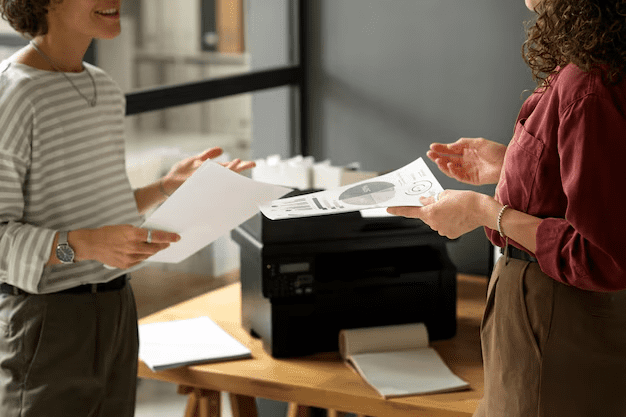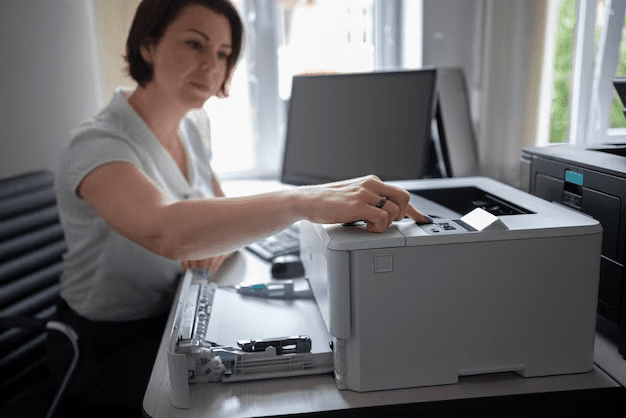

Printers have always been a very important device in our personal and professional lives, as they allow us to get digital documents into physical form. However, connecting a printer to your computer, especially with the various connection methods available in Windows 10, can sometimes be difficult. This guide will take you through the steps of finding and connecting your printer, troubleshooting common problems like when the computer can’t find your printer, and making sure that your device connects to Wi-Fi so that it is easy and efficient to print.
Adding your Printer to Windows 10
Before printing, ensure your computer identifies the printer. With Windows 10, adding a printer or scanner is relatively simple. For the USB printer, it automatically appears when the computer detects it since it has already been plugged into the system. For a wireless printer, switch on the printer and have both the computer and the printer connect to the same network.
Setup of a Wireless Printer over Your Wi-Fi Network
Wireless printers will require you to look for the network in your printer’s menu, then you key in your password to gain access. If everything is all set, your computer should locate your printer easily when you’re within the same network. But if you cannot connect automatically, it means you should find the network from the menu settings of Windows as ‘Add a printer or scanner’.
Running the Windows Troubleshooter for Printer Troubleshooting
Having some trouble? Well, Windows 10 includes a native printer troubleshooter. To find it, just type “troubleshooter” into the Windows Search and follow the steps. This utility can automatically troubleshoot all kinds of typical issues connected with the printer, such as incorrect printer connections, driver software issues, and printing process errors.
Connecting a Printer with a USB Cable: The Classic Way
For those who like a direct connection, using the USB cable is the most reliable way. Just plug one end into your printer and the other into the USB port in your computer. Windows will automatically find the printer and download any drivers needed.
Securing Your Printer: Connected and Ready
Before getting into the details of printer setup, it is first important to determine that the printer is actually connected correctly. If it is wired, the first place to start when troubleshooting the printer is to know whether all cables are securely connected or the Wi-Fi is engaged. In the case of wireless printers, an excellent connection to your network is necessary for printing without lagging.
Maximizing Printer Performance with a Stable Wireless Network Connection
The convenience of wireless connectivity allows printing from several devices without the hindrance of cables. To optimize this feature, your printer needs to maintain a good and stable connection with your WiFi network. This can be achieved by positioning your printer in a good range from your router or by connecting to the 5 GHz band for better data rates and interference. Troubleshooter to Run Now, If your printer is malfunctioning, Windows provides an built-in solution to run the troubleshooter. This utility can automatically detect and correct problems related to your printer. It checks for common problems, such as spooler errors and connectivity issues, providing a quick fix for many printer-related glitches.
Selecting Between a Local Printer and Network Printer Setup
Determining whether to place your printer in the local environment or network environment will be one of the most significant decisions you are going to have to make. A local printer is directly attached to your computer, typically using a USB. Multiple machines can share a network printer over a network connection, WiFi, or Ethernet. Knowing these differences will aid you in establishing the right option for your convenience.
Setting up Your Canon Printer with Ease
Canon printers are the most reliable and of excellent quality. For installing a Canon printer, correct drivers must be installed, along with a good WIFI connection to your network. If your computer does recognize the device, the printer can turn out to be very handy for all of your printing needs.
List of Available Printers in Windows 10
The simplest process of installing a new printer on Windows 10 is through the list of printers available to install by just clicking on them. It can be found in the ‘Printers & scanners’ section of settings. You have to pick up the desired printer, and you can do that whether the printer is USB or network-available. Make sure printers are properly installed.
Sometimes, the issue isn’t with the connection but with the printer driver. If your computer can’t find the printer or it isn’t listed, visit the printer manufacturer’s website to download the latest drivers. Installing the correct driver software is crucial for the printer to function correctly.
Network Printer Connection: Sharing Over a Local Network
With a network printer, you can actually connect it to your local network so that multiple computers may print through a single device. This setup calls for more technical knowledge; you need to know the IP address of your printer and set it up accordingly.
Use the Printer Sharing Feature in Windows 10
Printer sharing is such a versatile feature if you are looking to connect more than one PC to just one printer. All you have to do is allow sharing into your printer’s properties, and other machines on the same network can access your printer. All devices should have the same network with proper permissions set up.
Troubleshooting WiFi Printer Connection Issues
WiFi printers are handy but can lose connectivity sometimes. When your printer seems to work irregularly or not at all, make sure both your router and your printer are powered on. Rebooting both devices can often solve connection issues.
Connect to a Printer that Can’t Be Found Automatically
If Windows 10 can’t locate your printer on its own, you can try adding it from the ‘The printer that I want isn’t listed’ selection. You should be able to add a local printer with the setting set as manual or locate a shared printer by name.
The Role of USB Ports in Printer Connections
Occasionally, the USB port can be the most important factor between successful connectivity or printer connection failure. Always use a port directly on your computer rather than through a hub for the most reliable connection.
Printer Connection via Network, Wi-Fi, and Bluetooth
Beyond USB, Windows 10 supports connecting printers through various networks, including Wi-Fi and Bluetooth. Each of the methods has its setup process, which can be found in the ‘Devices’ section of Windows settings.
How to Share a Printer from Your Windows 10 PC
You can share a printer from your Windows 10 PC to other devices on the network by accessing the printer’s properties and enabling sharing. This allows other network users to send print jobs to your printer.
What to Do When Your Computer Won’t Recognize the Printer
When your computer won’t recognize the printer, it’s time to check the basics: Is the printer turned on? Is the cable firmly connected? If all else fails, removing the device from Windows and reinstalling it can often refresh the connection.
Fixing Common Printer Connection Issues on Windows 10
The most common causes of connectivity problems include outdated drivers, incorrect settings, or network problems. Upgrading your printer drivers and ensuring proper network settings prevent these issues.
Advantages of Wired Printer Connection
A wired connection through a USB cable or network cable provides a stable and secure connection for large print jobs or sensitive documents. This is much more important than wireless printing.
Conclusion – Computer To Identify And Locate A Printer
Connecting a printer to your Windows 10 computer should be an easy task, but sometimes it proves to be difficult. Using the steps above, you can troubleshoot common issues, set up your printer on a network, and have a stable connection, whether wired or wireless.
Here are the takeaways:
- Make sure your printer and computer are on the same Wi-Fi for wireless printing.
- Use the Windows troubleshooter for common printer problems.
- Check manufacturer websites regularly for the latest printer drivers.
- Consider using a USB because wireless options can sometimes be unreliable.
Though everyone may not have the need for a printer, sharing one printer in a network can be perfect; update your operating system and the firmware of your printer regularly to prevent connection issues.
Remember these tips, and you’ll be enjoying a stress-free printing experience for whatever paperwork, schoolwork, or other things you are printing. To inquire about Geek on Site’s printer maintenance services at the most affordable prices, contact us here!
Last Updated on April 21, 2025