Trying to decide between a smart alarm vs traditional system for your home? This article breaks down the main differences, benefits, and drawbacks of each to help you choose the best option for your security needs.
Key Takeaways
- Traditional alarm systems rely on hardwired components and provide reliable security but lack modern connectivity options.
- Smart alarm systems offer remote access, customizable features, and integration with other smart home devices, enhancing convenience and security.
- Differences in installation methods, monitoring options, and user experience are significant factors to consider when choosing between smart and traditional alarm systems.
Understanding Traditional Alarm Systems
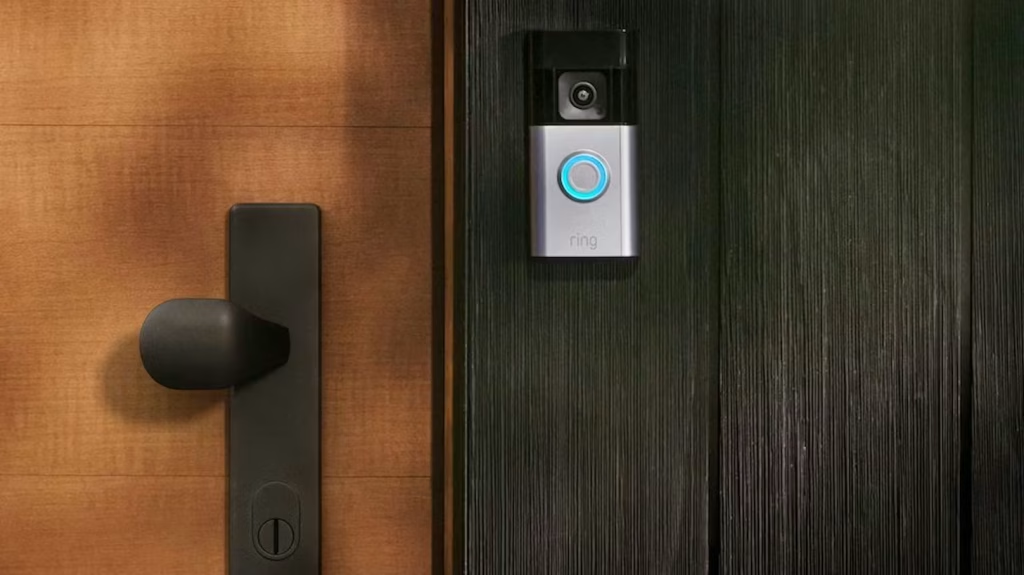
Traditional alarm systems have been the cornerstone of home security for decades. These traditional home security systems rely on a combination of hardware components to detect and alert homeowners of potential intrusions. At the heart of a traditional alarm system is the control panel, which serves as the central hub, coordinating signals from all other elements, including the ring alarm.
Entry points such as doors and window sensors are monitored using entry sensors that trigger the audible alarm when opened while the system is armed. Glass break sensors respond to the sound frequency of shattered glass, adding an additional layer of protection. Motion detectors, using infrared technology, sense movement within their range and can trigger alarms accordingly.
Backup batteries ensure that the system remains functional even during power outages, providing continuous protection. Some traditional alarm systems also feature silent alarms that discreetly alert monitoring services without notifying intruders. These components work together seamlessly to create a robust security network, making traditional systems reliable and effective in safeguarding homes.
Exploring Smart Alarm Systems
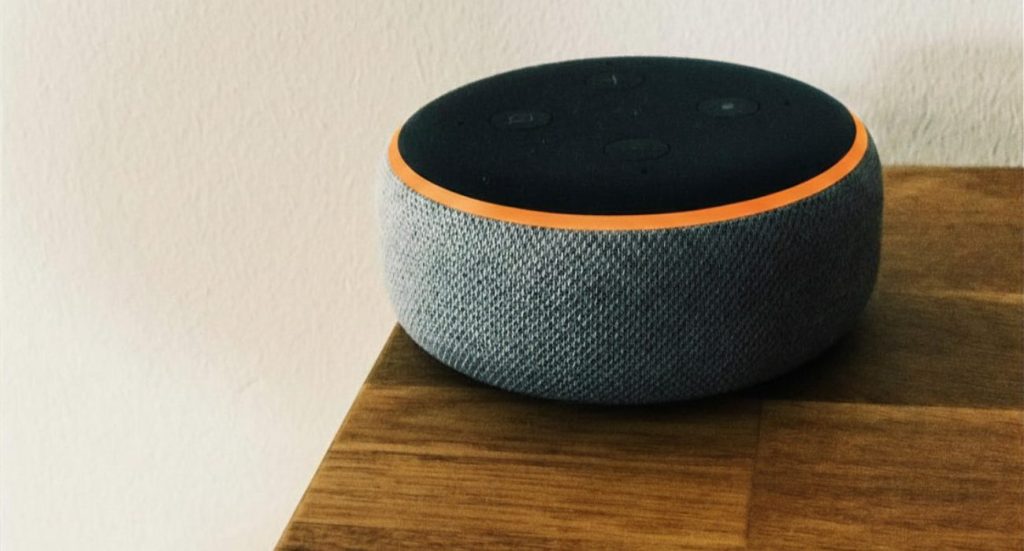
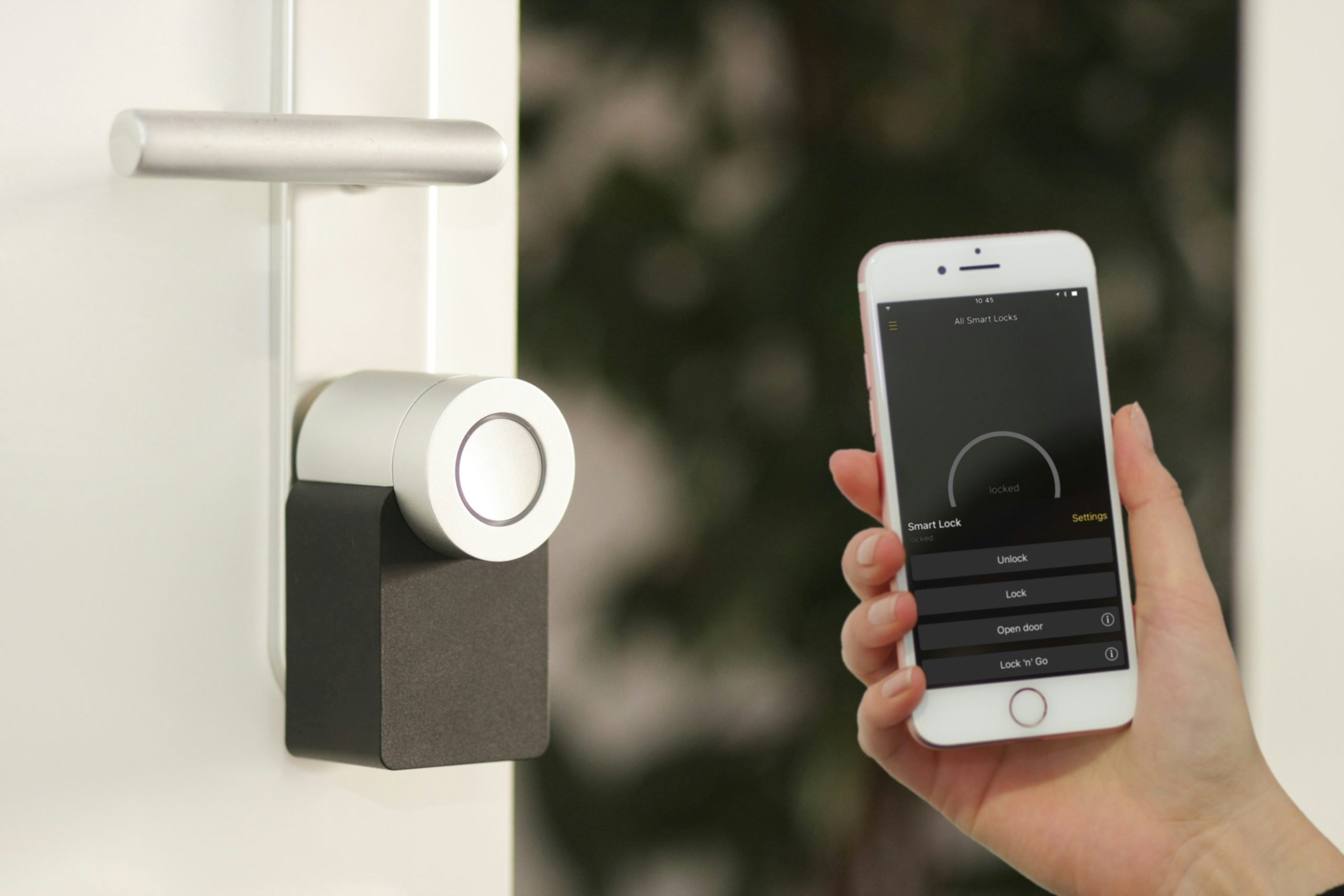
Smart alarm systems represent the cutting edge of home security technology. These systems allow homeowners to remotely arm and disarm their homes via smartphone apps, providing unparalleled convenience and control. Integration with most home security systems and other smart home devices enhances overall automation, allowing for a cohesive and interconnected smart alarm system. The best home security system ensures that your home remains safe and secure, especially when paired with an abode system.
Customization is a key feature of smart alarm systems, enabling users to tailor functionalities to their specific needs. The advent of 5G technology has further improved connectivity and the reliability of remote access. Smart systems also offer live monitoring of camera feeds and real-time updates on the home’s security status, ensuring homeowners are always informed.
These systems offer advanced features such as:
- Immediate notifications about unusual activities
- Two-way communication through smart cameras
- The ability to automate devices like lights and thermostats based on occupancy
- AI analytics that monitor behavior and identify unusual activities in real-time
- Cloud storage options that ensure secure access to footage and logs, including video storage and cloud video storage.
Key Differences Between Smart and Traditional Systems
The primary difference between smart and traditional alarm systems lies in their connectivity. Smart systems leverage internet connectivity, allowing for remote access, while traditional systems primarily use hardwired components for protection. This shift from passive to active security measures means that modern systems can proactively monitor and prevent breaches, enhancing overall security.
User experience is another critical differentiator. Smart systems often boast intuitive interfaces and smartphone integration, making them easier to operate compared to traditional systems, which usually require on-site physical control panels. Most systems offer these modern features to enhance usability.
Installation methods also vary significantly—smart systems often allow for DIY installation, whereas traditional systems typically require professional installation. DIY systems can be a great option for those who prefer a hands-on approach.
Monitoring options further set these systems apart. Smart alarm systems offer both professional and self-monitoring options, whereas traditional systems usually rely on professional monitoring. This flexibility in monitoring can significantly impact the overall cost of the alarm system, making smart systems a more versatile option for various budgets.
Features Comparison: Smart vs Traditional Systems
When comparing smart and traditional alarm systems, several key features stand out:
- Smart alarm systems utilize advanced technology such as artificial intelligence and machine learning for improved threat detection.
- Traditional systems rely on fixed, wired connections and basic technology.
- Users often find smart alarm systems easier to operate due to intuitive interfaces and smartphone integration.
We will now explore the specific features in detail.
Connectivity and Control
Smart home security systems offer several advantages:
- Utilize wireless technology, making them less susceptible to disruptions common in wired systems.
- Allow monitoring and control of alarms remotely via mobile applications, unlike traditional systems that require physical presence.
- Integrate IoT to enable seamless communication between various security devices, improving overall response efficiency.
The advantage of integrating with other smart devices cannot be overstated. Smart alarm systems can work in tandem with smart lights, thermostats, and even smart locks, creating a comprehensive and cohesive security network throughout the home. This level of smart home integration not only enhances security but also adds convenience to daily life.
Traditional systems, on the other hand, primarily rely on a fixed, wired connection, which can limit their flexibility and ease of use. While they are reliable, the lack of remote control and integration with other smart home features and a stable internet connection can be seen as a disadvantage for modern homeowners seeking a more connected home environment.
Installation Process
Home security systems typically offer two installation options: DIY setup or professional installation. DIY home security systems often require self-installation with detailed instructions, contributing to their user-friendliness. Additionally, DIY installation is generally free of cost, making it an economical choice. A typical process for setting up a DIY home security system involves placing or mounting devices, connecting to Wi-Fi, and integrating with smart devices through an app.
Some systems, however, provide professional installation, ensuring expert setup and potentially better service quality. This option may come with additional costs, typically ranging from $50 to $250, which should be considered alongside the service quality. Traditional systems are often less flexible in configuration, whereas smart systems can easily be tailored to user preferences.
Renters should consider systems that allow adhesive mounts while complying with lease agreements. Professional installation can provide peace of mind, knowing that the system is set up correctly and operates optimally.
Monitoring Options
Many home security systems offer professional monitoring, which typically includes benefits such as 24/7 live monitoring and prioritized support. This ensures that any alarm trigger is responded to promptly, providing an added layer of security. Professional monitoring plans can range from $10 to $80 per month, depending on the level of service.
Self-monitoring options offer several benefits:
- Allow users to receive push notifications and access alerts via mobile apps, providing flexibility in monitoring their home.
- Are generally more cost-effective, with monthly monitoring fees typically between $3 and $20.
- Include features like ADT’s SMART Monitoring, which sends alerts based on system events to enhance user awareness.
The choice between professional and self-monitoring can significantly impact the overall cost of the system. While professional monitoring offers peace of mind and immediate response, free self monitoring provides flexibility and cost savings. We recommend professional monitoring to evaluate your specific needs and budget, which will help determine the best option for you. Additionally, you may choose to self monitor your system for added convenience.
Usability and Reliability
Usability and reliability are crucial factors when choosing a home security system. Smart alarm systems typically offer a more intuitive user interface compared to traditional systems, making them easier to navigate. However, connectivity issues can impact their reliability. Traditional systems generally have fewer false alarms and a more consistent performance track record.
Let’s explore these aspects in more detail.
User Experience
Both smart and traditional alarm systems prioritize user-friendly interface designs. For instance:
- Brinks utilizes an easy-to-use touchscreen control panel.
- Frontpoint allows control through both an app and a keypad.
- The Vivint system stands out for being user-friendly despite its advanced features, allowing it to be set and forgotten easily.
- SimpliSafe is also noted for its straightforward usability.
Accessing features can sometimes feel overwhelming for users, as seen in ADT, which has a plethora of functionalities. However, the SimpliSafe app has been noted for its intuitive navigation. The Ring app enhances accessibility by putting camera feeds front and center, making monitoring straightforward for users.
Overall, smart systems provide a more integrated and accessible user experience, allowing family members to control and monitor the system from a single smartphone app. Traditional systems, while reliable, may lack the modern conveniences that make smart systems appealing to tech-savvy users.
Reliability and Performance
The average response times for monitoring services are:
- ADT: 30 seconds, showcasing its reliability in emergency situations.
- Vivint: 30 to 60 seconds, providing timely responses to security incidents.
- Brink’s: 45 to 60 seconds, occasionally quicker.
Backup batteries play a crucial role in maintaining system reliability during power outages. For example, the Cove hub can operate for up to 24 hours, ensuring continued security coverage. Abode Gateway hub’s battery backup lasts five hours, contributing to system reliability. Additionally, battery backups enhance overall performance during critical times.
Performance tests are conducted on sensors at access points, including arm/disarm functions and motion detection, to ensure optimal performance. Issues such as false alarms and high latency are examined during sensor testing to reduce their occurrence.
SimpliSafe’s cellular backup keeps users safe even if the internet is down, enhancing system reliability. Reliable systems like the cove system use advanced features like RapidSOS technology to improve emergency response times.
Cost Considerations
Cost is a significant factor when choosing a home security system. Home security systems can vary widely in cost, influenced by the choice of equipment, monitoring services, installation fees, and other potential expenses.
Let’s break down the initial and ongoing costs to give you a clear picture of what to expect.
Initial Costs
Initial costs for home security systems can vary significantly based on the equipment and installation options chosen. Starter home security systems typically range from $150 to $300, providing essential components like control panels, sensors, and alarms. For example, the Abode starter kit is priced at $120, making it a budget-friendly option for homeowners seeking basic security.
Professional installation fees add to the initial cost but ensure expert setup. These fees generally range from $50 to $250 depending on the complexity of the adt system and the service provider. For instance, professional installation of ADT systems starts at $100, offering peace of mind that the system is installed correctly.
DIY installation, on the other hand, incurs no cost, making it an economical choice for budget-conscious homeowners. This option involves:
- Placing or mounting devices
- Connecting them to Wi-Fi
- Integrating them with smart devices through an app These steps are done by following detailed instructions provided by the manufacturer.
Ongoing Costs
Ongoing costs primarily include monthly fees for professional monitoring services:
- Fees can range from $10 to $80 depending on the plan.
- The average monthly cost is between $30 and $60.
- Services provide 24/7 live monitoring and immediate response to security incidents.
Self-monitoring plans are generally more affordable, typically costing between $3 and $20 per month. For example, ADT’s basic monitoring without security cameras is around $24.99 per month, offering a cost-effective option for homeowners who prefer to monitor their systems independently.
Additional maintenance costs, such as battery replacements for security system components, can also contribute to ongoing expenses. These costs typically range from $5 to $35, depending on the type and number of batteries required. Ensuring regular maintenance and timely replacements is crucial for the reliable performance of the security system.
Security and Privacy Concerns
Security and privacy are paramount when it comes to the best security system for home security systems. Both smart and traditional systems have their own set of concerns that need to be addressed. From data security to system vulnerabilities, understanding these aspects is crucial for making an informed decision.
Data Security
Data security is a critical aspect of modern home security systems. Reputable security systems implement strong encryption techniques to safeguard user data from unauthorized access. Compliance with relevant regulations ensures that consumer data protection is maintained at all times.
Regular software and firmware updates are essential for maintaining data security in home alarm systems. These updates help patch vulnerabilities and improve the overall security of the system. However, a wireless system alarm may be susceptible to signal jamming, which can compromise its effectiveness.
Unsecured third-party integrations can potentially introduce vulnerabilities into home security systems. It is crucial to ensure that all integrations are secure and that the manufacturers regularly update their systems to address any security concerns.
System Vulnerabilities
Traditional alarm systems have certain vulnerabilities, such as being bypassed by intruders, which can compromise their effectiveness. In contrast, smart systems typically enhance security measures, making it more difficult for intruders to circumvent them.
Security companies have faced issues such as breaches and privacy violations, indicating significant vulnerabilities in alarm systems. For instance, if a Vivint equipment’s professional monitoring service is canceled, the user may lose up to 90 percent of the system’s functionality. This highlights the importance of choosing a reliable monitoring company with robust security measures, as most security companies prioritize these aspects.
Mitigating risk involves:
- Selecting systems with strong features that enhance security, such as professional monitoring and reliable installation.
- Ensuring that the system is set up correctly.
- Maintaining the system regularly to help minimize potential vulnerabilities.
Emerging Trends in Home Security
Emerging trends in home security are transforming how we protect our homes. Modern security cameras are equipped with advanced features such as:
- Two-way audio
- Motion sensors
- Audio detection
- Smart alerts These features provide comprehensive surveillance and immediate notifications of any unusual activities.
Key features of advanced security systems include AI-driven behavior detection and deterrence. For example, Vivint cameras with Smart Deter use AI to identify and deter intruders. The Arlo all-in-one sensor is capable of detecting a range of household issues, enhancing overall home security.
Integration with third-party smart-home devices is becoming more common, allowing for a seamless and cohesive security network. The Nest Doorbell, for instance, can automate interactions with the Yale smart lock, exemplifying the push towards more integrated technologies. Brands like Arlo and Nest are currently among the top recommendations for home security cameras.
Choosing the Right System for Your Needs
Choosing the right home security system involves evaluating various factors such as:
- Equipment
- Installation
- Monitoring options
- Features
Assessing the level of monitoring center and emergency services response options ensures comprehensive protection.
Good customer service is vital for peace of mind during crises and everyday situations related to home security systems. Insurance companies typically offer a 5-20% discount on home insurance premiums for homes with professional monitoring, providing additional financial benefits.
Checking the security system’s website for add-on options and seasonal sales can result in better deals and enhanced functionality. For instance, single sensors or compatible devices can be added to home security systems, but options can vary. Evaluating these factors will help you make an informed decision and choose the best system for your needs.
Geeks on Site Services
Geeks on Site specializes in smart home device installations for smart home enthusiasts, including security cameras, doorbells, and thermostats, compatible with Google Home. With nationwide tech services, our customers can receive support and installations across the U.S., ensuring their smart home devices are set up correctly and function optimally.
For urgent tech issues, Geeks on Site offers same-day service, enabling quick resolutions for customers. We provide 24/7 tech support, ensuring assistance is available whenever needed, which is crucial for maintaining the reliability and performance of smart home security systems.
Customer satisfaction is guaranteed with a 100% money-back policy if the service does not meet expectations. Certified technicians ensure that installations are carried out professionally, providing peace of mind to homeowners.
Summary
In summary, both smart and traditional home security systems have their own advantages and drawbacks. Smart alarm systems offer advanced features, remote access, and integration with other smart home devices, providing a modern and connected security solution. However, they may face connectivity issues that can impact reliability. Traditional systems, on the other hand, are known for their consistent performance and fewer false alarms, but they lack the modern conveniences of smart systems.
When choosing a home security system, consider factors such as initial and ongoing costs, installation options, monitoring services, and the specific needs of your household. Evaluating these aspects will help you make an informed decision that ensures the safety and security of your home.
Ultimately, the best choice depends on your personal preferences, budget, and the level of security you require. Whether you opt for a smart or traditional system, the goal is to provide peace of mind and protect your home and loved ones effectively.
Last Updated on September 29, 2025