Ring vs CCTV for Entry: Which Home Security Camera is Best for You?
Debating Ring vs CCTV for home security? This article covers installation, coverage, features, and costs to help you find the best fit.
Key Takeaways
- Ring doorbells provide convenient, easy installation and smart home integration but have limited coverage and depend on cloud storage.
- Traditional CCTV systems offer comprehensive coverage, better picture quality, and local storage options but require professional installation and maintenance.
- Choosing between Ring and CCTV systems should be based on specific security needs, budget, and the desired level of coverage and functionality.
Understanding Ring Doorbell Cameras

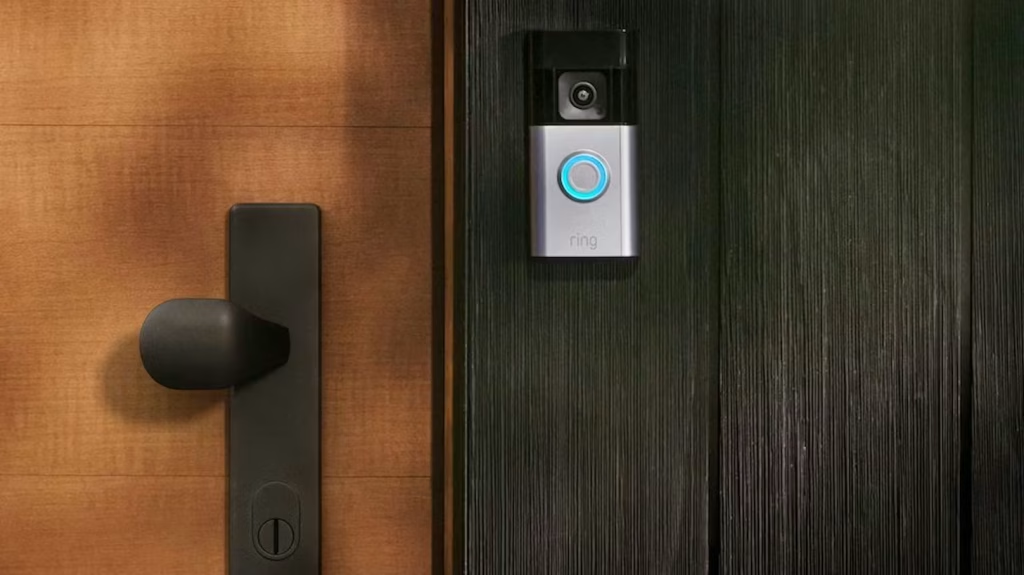
Compact and advanced, Ring doorbell cameras have transformed home security. These devices typically include a ringer button, video camera, microphone, speaker, and sensors, providing a comprehensive security solution right at your front door. With the integration of a smartphone app, users can see, hear, and communicate with visitors remotely, making it incredibly convenient.
Ring doorbells’ two-way audio capability enables direct communication with visitors. This is especially useful for managing deliveries or deterring potential intruders. For example, the Ring Wired Video Doorbell Pro offers 1536p HD video quality, ensuring no detail is missed. Most Ring video doorbells include night vision, ensuring effectiveness in low-light conditions.
Ring doorbells seamlessly integrate with various smart home systems, enabling voice commands and automation for enhanced security and convenience. Such integration enhances your smart home devices, creating an efficient security setup. Advanced motion detection in Ring doorbells triggers notifications for any detected motion or doorbell presses, keeping you informed.
Overall, Ring doorbells combine convenience, advanced features, and integration, making them a popular choice for modern home security. For high-definition video, two-way communication, or smart home integration, Ring provides suitable solutions.
Exploring Traditional CCTV Systems

For decades, traditional CCTV systems have been a cornerstone of home security, renowned for their reliability and comprehensive coverage. These systems use security camera technology connected by cables to a recorder, with footage viewed on a monitor. This setup enables continuous recording, ensuring no activity is missed.
CCTV systems offer superior picture quality compared to Ring cameras. Modern CCTV cameras often include 24/7 color recording, two-way audio, and face recognition, enhancing their functionality. CCTV systems frequently include night vision, offering clear footage even in darkness.
Known for simplicity and reliability, CCTV systems use wired connections to reduce signal interference risk. However, installation can be challenging, often requiring professional assistance, especially for complex setups. Despite this, their ability to cover wide outdoor areas and provide detailed surveillance makes CCTV a robust home security choice.
CCTV systems have evolved to include remote access, enabling users to monitor their systems from a computer or smartphone remotely. Combined with motion detection alerts, remote access ensures homeowners can monitor their property anytime. Although CCTV systems require more effort to install and maintain, their comprehensive coverage and high-quality footage make them a top choice for robust security solutions.
Installation and Setup: Ring vs. CCTV

Ring doorbells and CCTV systems offer very different installation and setup experiences. Wireless Ring doorbell cameras are typically easier and quicker to install than wired ones, often taking only minutes and requiring no drilling or extensive wiring. This ease of installation makes Ring doorbells popular among DIY enthusiasts looking to save on labor costs.
In contrast, installing wired doorbell cameras and traditional CCTV systems can be more challenging. Wired doorbell cameras may need professional installation, especially if new wiring is required, leading to significant labor costs and several hours of work. Similarly, installing CCTV cameras usually needs professional help due to the complexity of running cables and setting up recording equipment.
Despite higher initial setup costs, professional installation ensures correct configuration and full functionality. Homeowners seeking a hassle-free experience may find investing in professional installation for both Ring and CCTV systems provides peace of mind and ensures optimal performance. Installing a doorbell camera typically costs between $50 and $600, averaging around $300.
Ultimately, the choice between DIY installation and professional setup depends on your comfort with technology and tools and your budget. While Ring doorbells provide a more straightforward installation, the comprehensive coverage and reliability of CCTV systems might justify professional installation for some homeowners.
Coverage and Flexibility
Coverage and flexibility are key factors when choosing between Ring doorbells and traditional CCTV systems. CCTV systems can be placed in various locations around a property, offering complete coverage of both indoor and outdoor areas. Long-distance CCTV towers can autonomously cover wide outdoor areas, using batteries or solar cells for power, ensuring continuous surveillance in remote locations while also considering battery life. An outdoor camera can also enhance security by providing additional monitoring options.
Ring doorbells usually have a narrower field of view, typically ranging from 100 to 120 degrees. This limited coverage focuses on areas around the front door, making them ideal for entry point monitoring but less effective for broader surveillance needs. While Ring doorbells are designed for entrance monitoring, security cameras can be installed in diverse and remote locations, offering greater coverage flexibility.
Some security cameras feature zooming capabilities for specific areas of interest, providing detailed surveillance when needed. This is particularly useful for monitoring large properties or specific zones within a property. In contrast, Ring doorbells are suited for capturing general activities around the front door, like package deliveries and visitor interactions.
In summary, if comprehensive coverage and flexibility are priorities, CCTV systems provide a more robust solution. However, for focused entry point monitoring with smart features, Ring doorbells are a reliable and efficient option.
Video Storage Options
Video storage is crucial for any home security system, and both Ring doorbells and traditional CCTV systems offer different options. Ring doorbell recordings can be stored for up to 180 days with a Ring Home subscription, offering an extensive footage history. However, Ring doorbells lack local storage and rely solely on cloud storage, incurring ongoing subscription fees.
Modern CCTV systems can be programmed for motion-activated recording, offering efficient surveillance without continuous data storage. This reduces stored data while ensuring important events are captured. Additionally, local storage lets users keep footage directly on their camera or DVR without internet access, enhancing privacy.
Event-based cloud storage saves shorter clips triggered by motion detection, which is more bandwidth efficient. Continuous cloud recording captures everything a camera sees but requires a wired power source and high bandwidth. These options let homeowners choose the storage method that best suits their needs and internet capabilities.
MicroSD cards for local storage typically range from 32 GB to 256 GB for most security cameras, offering ample space for footage. Cloud storage plans vary significantly, with event recording starting around $5.39 per month across various brands. Some models support built-in storage, but capacity is usually limited to a few gigabytes.
Ultimately, the choice between cloud and local storage depends on preferences for cost, privacy, and convenience.
Smart Features and Integration

Smart features and integration capabilities are key selling points for both Ring doorbells and traditional CCTV systems. For example, the Ring Camera can distinguish between delivery people and potential intruders with 99.9% accuracy, thanks to advanced AI. This real-time threat detection enhances monitoring reliability and reduces false alerts by 47%.
Ring’s Smart Video Search lets users find specific moments in their video history using natural language queries, simplifying footage review. Moreover, Ring cameras connect seamlessly with other smart devices to create a comprehensive home automation system. Integration with smart home systems like Amazon Alexa and Google Assistant enhances functionality, enabling voice commands and automation.
Many CCTV systems offer remote monitoring through mobile apps, enabling real-time access to footage from a mobile device. This ensures homeowners can monitor their property no matter where they are. For instance, two-way audio in Ring cameras allows users to communicate directly through the camera, adding convenience and security.
Smart home integration goes beyond just cameras. Devices like smart locks, speakers, and displays can work together to enhance home security. For example, some smart security subscriptions offer features like facial recognition and enhanced motion detection for improved monitoring. These integrations create a seamless and comprehensive smart home experience, making it easier to manage and monitor your smart security cameras.
In essence, the smart features and integration capabilities of Ring cameras and CCTV systems provide enhanced convenience, security, and usability. Whether it’s the AI-driven detection of Ring or the remote access capabilities of CCTV, these features significantly improve the overall effectiveness of home security systems.
Privacy and Security Considerations
Privacy and security are paramount when it comes to home security cameras. Some Ring models come with customizable privacy settings to help users control their data, ensuring that only authorized individuals can access footage. Users have control over who can access their footage and personal data within the Ring system, providing an added layer of security.
The Neighbors app allows users to share footage with their community while maintaining control over privacy. This feature fosters a sense of community security without compromising individual privacy. Ring Protect subscribers benefit from secure cloud storage for their video recordings, with standard video encryption protecting user footage during transmission. For those seeking even higher security, Ring offers optional end-to-end encryption for video recordings.
Despite these security measures, concerns about personal privacy may arise with smart doorbell cameras due to the recording of visitors. The potential exposure of private data if compromised is a critical privacy concern linked to Ring doorbells. Video verified alarms enhance security by capturing footage only when unauthorized activity is detected, reducing unnecessary recordings and potential privacy invasions.
Overall, while both Ring and traditional CCTV systems offer robust privacy and security features, it is essential to remain vigilant and informed about potential risks. Customizable settings, secure storage options, and community sharing features can help mitigate these concerns, ensuring that your home security system protects both your property and your privacy.
Cost Comparison
Cost is a significant factor when choosing between Ring doorbells and traditional CCTV systems. The entry-level Ring Video Doorbell can be purchased for around $59.99, making it an affordable option for most homeowners. On the higher end, the Ring Video Doorbell Elite is priced at approximately $349.99, offering advanced features for those willing to invest more.
CCTV systems generally incur higher initial setup costs due to the need for multiple cameras and professional installation. Installing multiple CCTV cameras can become expensive, affecting long-term maintenance costs. However, the comprehensive coverage and reliability of CCTV systems might justify the higher investment for some homeowners.
Ring offers subscription plans to enhance their service. For example, the Protect Plus plan covers unlimited devices at a cost of $10 per month, while the Protect Pro plan, which includes professional monitoring services, costs $20 monthly. These subscription plans add ongoing costs but provide valuable features and peace of mind.
In conclusion, the choice between Ring and CCTV systems will largely depend on your budget and the level of security you require.
Use Cases: When to Choose Ring or CCTV
Choosing between Ring doorbells and traditional CCTV systems depends on your specific needs and budget. Ring doorbells are relatively inexpensive, often costing under $100, making them an attractive option for those looking for affordable and straightforward home security solutions. The two-way communication feature of Ring doorbells allows interaction with visitors, adding convenience and security.
For comprehensive coverage, CCTV systems are the better choice. CCTV cameras provide the ability to record footage continuously and cover larger areas, making them ideal for homes with extensive properties or multiple entry points. The higher picture quality and additional features such as night vision and face recognition further enhance their effectiveness.
When deciding between Ring doorbells and CCTV systems, it’s essential to consider the unique characteristics of each system. If you need a simple, cost-effective solution for monitoring your front door, Ring doorbells are an excellent choice. However, if you require extensive coverage and are willing to invest in a more complex system, CCTV offers superior capabilities.
Ultimately, the decision should be based on your specific security needs, property layout, and budget. By carefully evaluating these factors, you can select the system that best meets your home security requirements.
Summary
In conclusion, securing your home entry points is crucial, and both Ring doorbells and traditional CCTV systems offer unique advantages. Ring doorbells provide convenience, affordability, and integration with smart home systems, making them an excellent choice for homeowners looking for a straightforward, tech-savvy solution. Their advanced features such as two-way audio, night vision, and motion detection enhance home security.
On the other hand, traditional CCTV systems are known for their reliability, comprehensive coverage, and superior picture quality. Despite the higher initial and maintenance costs, CCTV systems offer continuous recording, extensive coverage, and advanced features like face recognition and 24/7 color recording. These systems are ideal for homeowners who require robust security solutions for larger properties.
Ultimately, the choice between Ring and CCTV should be based on your specific needs, budget, and the level of security you desire. By carefully considering the factors discussed in this blog post, you can make an informed decision that best suits your home security requirements.
FAQs
A: The primary differences between Ring doorbells and traditional CCTV systems lie in convenience and functionality; Ring offers smart features like two-way communication and is ideal for smaller areas, while traditional CCTV provides comprehensive coverage and higher picture quality for larger properties.
A: Installing a Ring doorbell is significantly easier and quicker than a CCTV system, often taking just minutes and requiring minimal tools. In contrast, CCTV installation usually involves complex wiring and may necessitate professional assistance.
A: Ring doorbells primarily utilize cloud storage with subscription options, whereas CCTV systems typically favor local storage solutions like DVRs or microSD cards. Both systems may offer cloud options, but local storage is preferred for privacy and uninterrupted recording.
A: Yes, there are privacy concerns with using Ring doorbells and CCTV systems, as both can expose data despite having customizable privacy settings. It’s essential to implement proper security measures and understand the privacy settings to mitigate these risks.
A: Ring doorbells are more cost-effective for straightforward security needs due to lower initial costs and affordable subscription plans. However, for larger properties requiring extensive coverage, CCTV systems may justify their higher upfront investment in the long run.
Last Updated on April 11, 2025